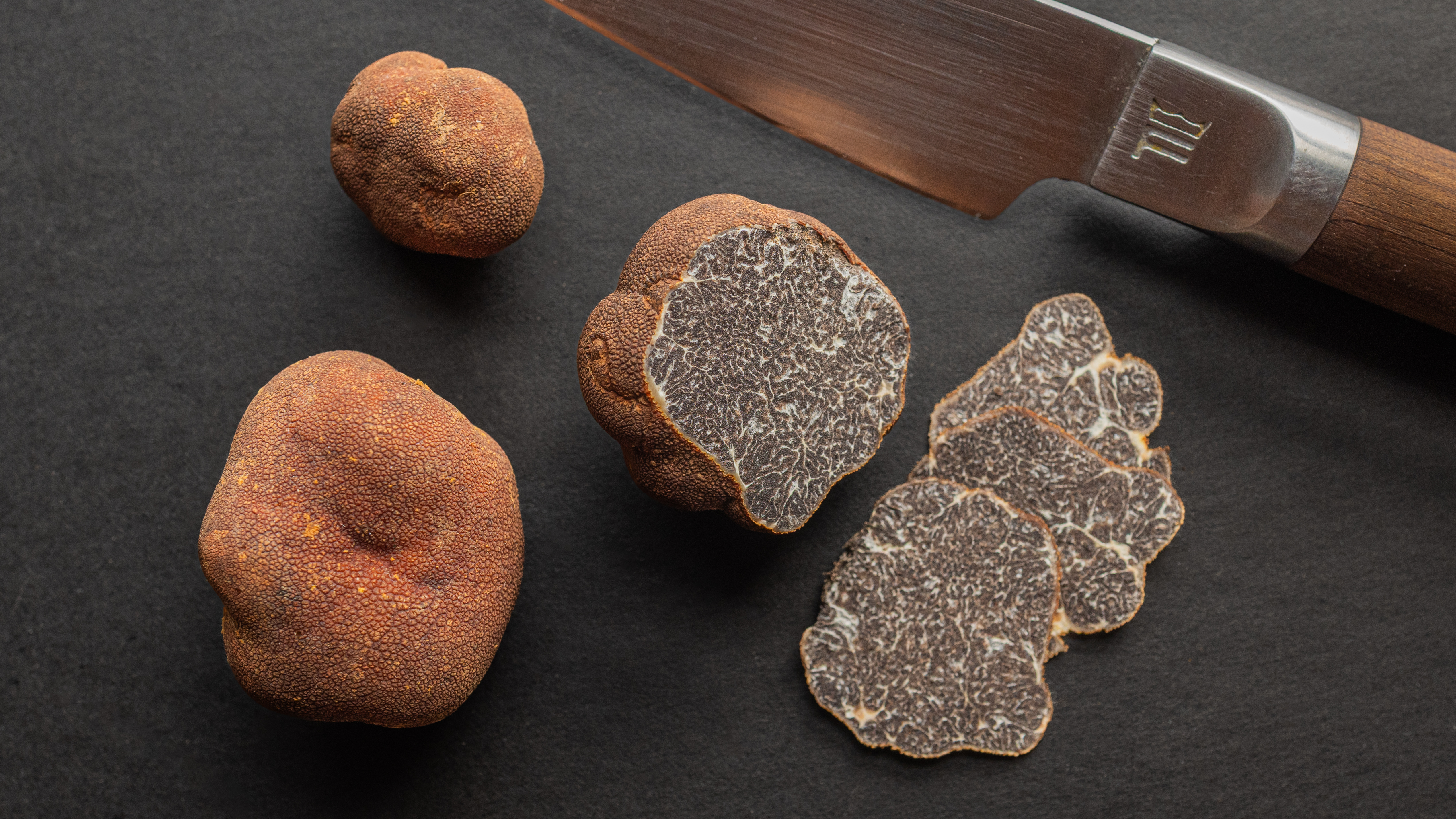
I’ve got a new story at the Star Tribune about the science of (and the hunt for) truffles in the Midwest:
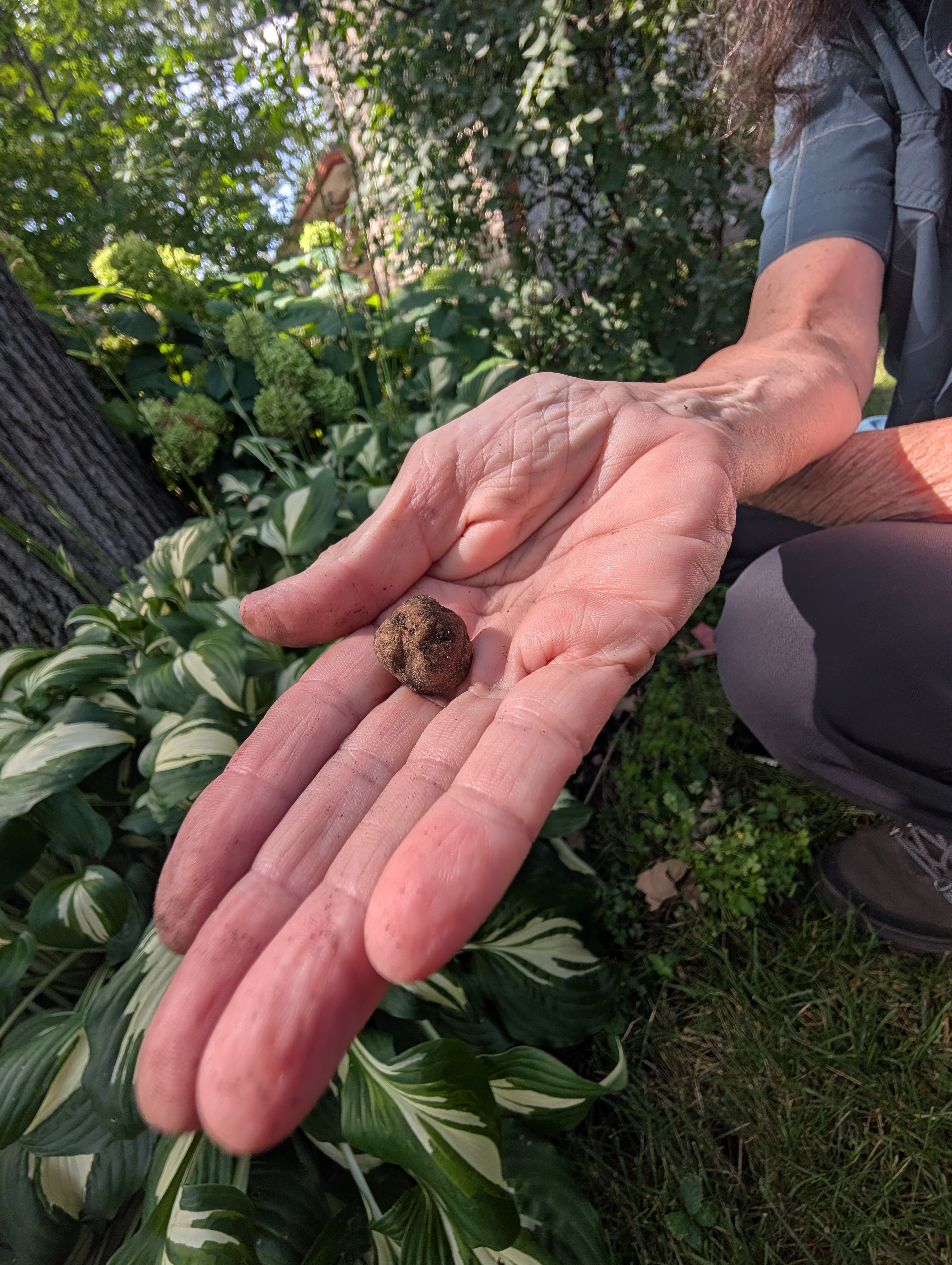
One morning in early August, Mariah Rogers and I drove through La Crosse, Wisconsin, to bluffs that look out over the Mississippi River. She was taking me to a spot where she had previously found one of the most elusive, and potentially valuable, mushrooms in the Midwest: Truffles.
“I’ve got truffle rakes,” Rogers said, holding up what most people call a hand rake. But since hers are used almost exclusively for truffles, the name fit.
Rogers is president of the Wisconsin Mycological Society, and a graduate student in the Grupe Lab at the University of Wisconsin La Crosse, where she is researching the distribution of truffles in the region.
Across the Midwest, many species of truffles have yet to be identified. Mapping this underground landscape could eventually create a whole new industry, as it has in the Pacific Northwest, where Oregon black truffles can fetch hundreds of dollars a pound.
We park and walk up a path in Hixon Forest. We’re looking for places where animals have been digging.
Squirrels and other small animals love truffles. In fact, truffles’ whole life-cycle depends on their being smelled, eaten and fecally dispersed. Sometimes they’re even eaten twice — first by a small mammal, then by a predator who flies away to spread the spores far and wide.
Flying squirrels, in particular, have a reputation for loving truffles, which sometimes make up 90% of their diet.


You must be logged in to post a comment.